

|
|
|
|
|
#1
 01-03-2011, 12:49 AM
|
||||
|
||||

The lids will raise the tank temp at least 5˚F. They will limit gas exchange slightly, but it isn't a major concern. You will get condensation and salt creep/spray and the lids will become cloudy further diffusing light. If you are using metal halide lighting, the lids will warp considerably. Flipping them weekly helps keep them straight.

|
|
#2
01-03-2011, 01:31 AM
|
|||||
|
|||||
|
Lol not recommending a pair of Abyzz with a controller just yet Mr. W? It's certainly not a cheap option.
That's how I'd do it. You could run them 100,10... 10,100 so the lines don't go stagnant.
|
|
#3
01-03-2011, 01:55 AM
|
||||
|
||||
|
Quote:
 Yes, I would use two Abyzz 420 pumps with a controller and call it a day ($4,800.00). You would do fine with two Abyzz 200s or even one if you tune it right. A couple $25 Eductors make it even more fun http://www.youtube.com/watch?v=wFGASFHEWL8
|
|
#5
01-03-2011, 03:05 AM
|
||||
|
||||
|
The wave video is just a gimmick to show the possibilities. I don't care for the waves either. You can use two pumps on the controller as a closed loop, return pump or drop them right in the tank. You can run them at 5% to keep water moving through the pipe and at the opposing end, run one at 100% for your five hour tidal flow.
|
|
#6
01-03-2011, 04:20 PM
|
||||
|
||||
|
Quote:
|
|
#7
01-03-2011, 01:47 AM
|
|||||
|
|||||
|
Quote:
__________________
Mitch
|
|
#8
01-03-2011, 03:15 AM
|
||||
|
||||
|
Paul's adaptation of his Revolutions product to an inline solution for you is nothing short of pure genius. His best ideas are inspired from specialized requirements like yours.
Lexan will still warp. I have used lots of these lids over the years. Remember those are the Seaswirl flow limits, not the limits of the Dart to push water through a Seaswirl. I did a 600 gallon acrylic tank (96x30x48) a few years ago, using two darts on 2 OM 4ways, with a Blueline 100 return pump. Flow was excellent. Use an online head loss calculator to make sue you are getting the best out of your system. Use threaded parts where you can so it is easier to adapt to change.
|
|
#9
01-03-2011, 03:34 AM
|
|||||
|
|||||
|
Quote:
__________________
180 starfire front, LPS, millipora Doesn't matter how much you have been reading until you take the plunge. You don't know as much as you think. Last edited by Skimmerking; 01-09-2011 at 01:09 AM.
|
|
#10
01-03-2011, 04:56 AM
|
||||
|
||||
|
Quote:
I found that a Blueline 70, rated at 1750 GPH moves more water than a Dart with a potential of 3600 GPH, if you have significant friction loss and 1" PVC. I also like the idea of a magnet coupled pump. Sequence are the best of the direct drive pumps, but even with silicon carbide seals, they can leak or cavitate after a few years of use. Here is a picture of the 600 gallon tank showing most of the plumbing. There are two intakes with two strainers on each. Since then I have switched to the same Banjo strainers Mitch is using. The intakes are set up to draw incoming water from the opposing ends of the aquarium, so the left intake returns to the right and vice versa. There are six closed loop returns on the bottom in spiral upwards 45˚ angles. There are four more closed loop returns for a total of ten on the two OM 4-ways (two at the bottom of the end across from the end overflow, and one beside the overflow at the top, and one at the bottom beside the overflow. 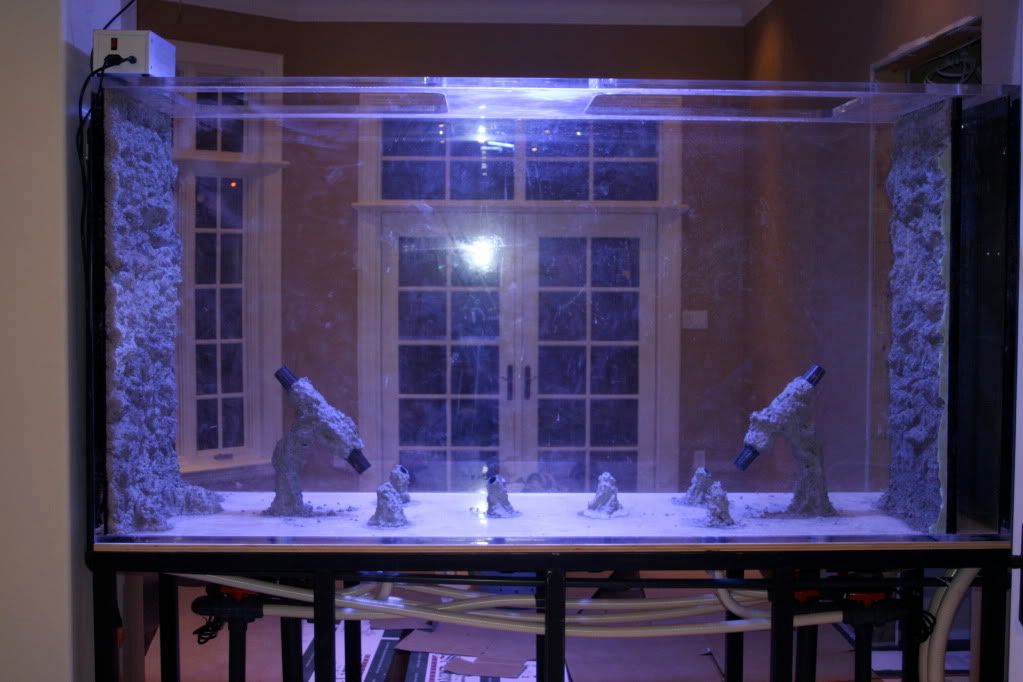 There are two closed loop ports to the left of the end overflow (top & bottom). 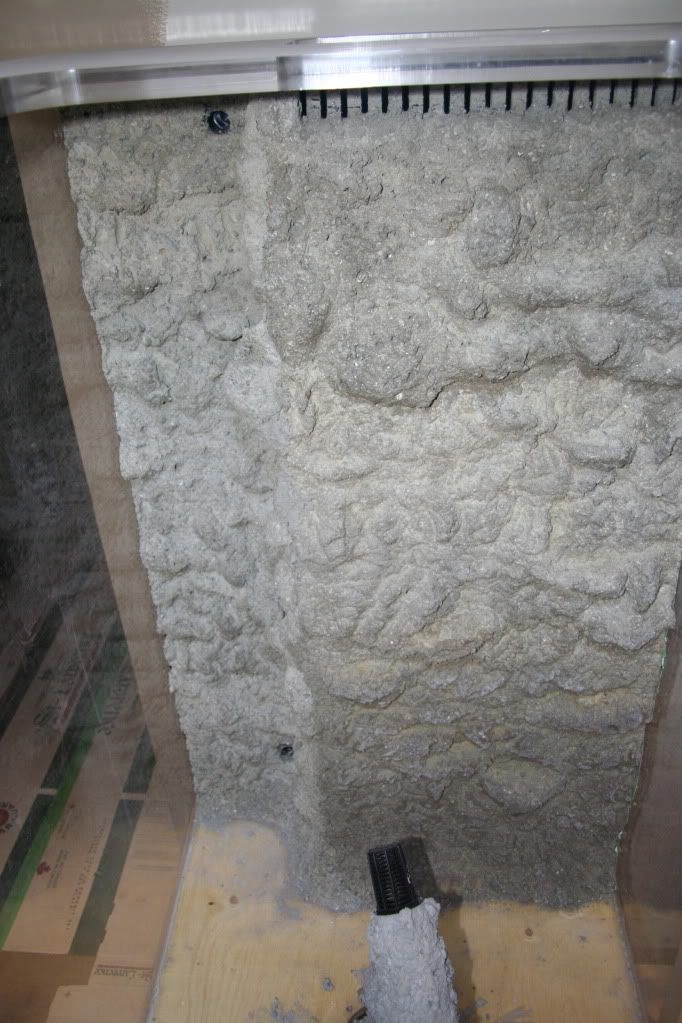 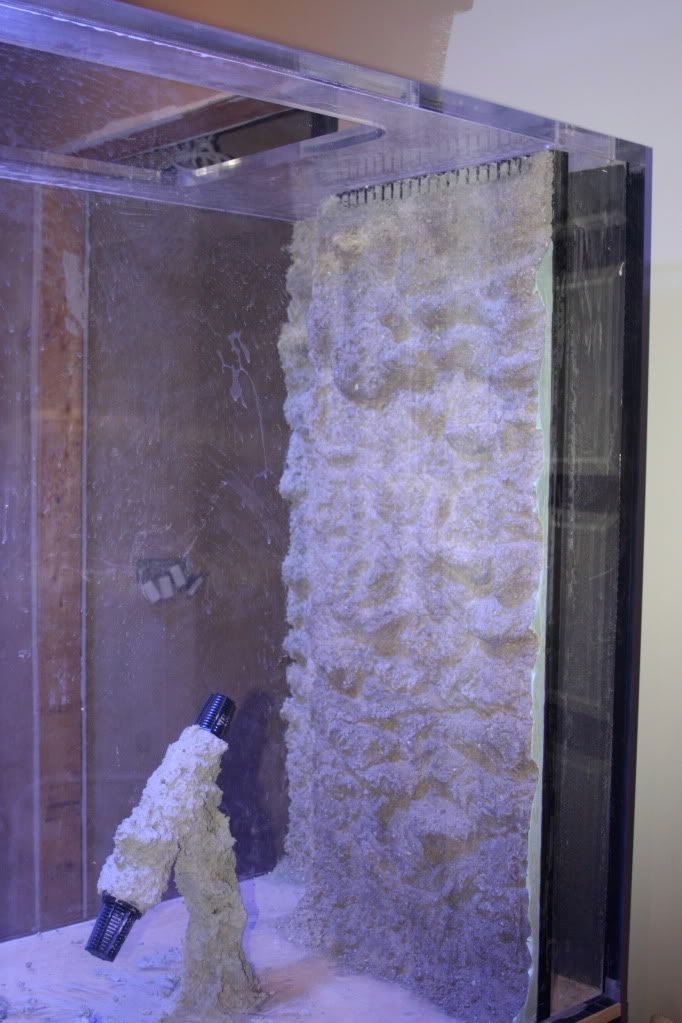 This is the end without the overflow. The two top ports are for the sump return (Blueline 100) and the two bottom are part of the closed loop. Water exiting here is drawn from the intake at the other end of the tank for additional mixing. The end to end flow across the top assures that there are absolutely no dead spots on the surface. A good test of your system is to add some flake food and see if it either sinks or gets skimmed within 30 seconds. If it gets stuck along the edges, you need to fine tune your plumbing. 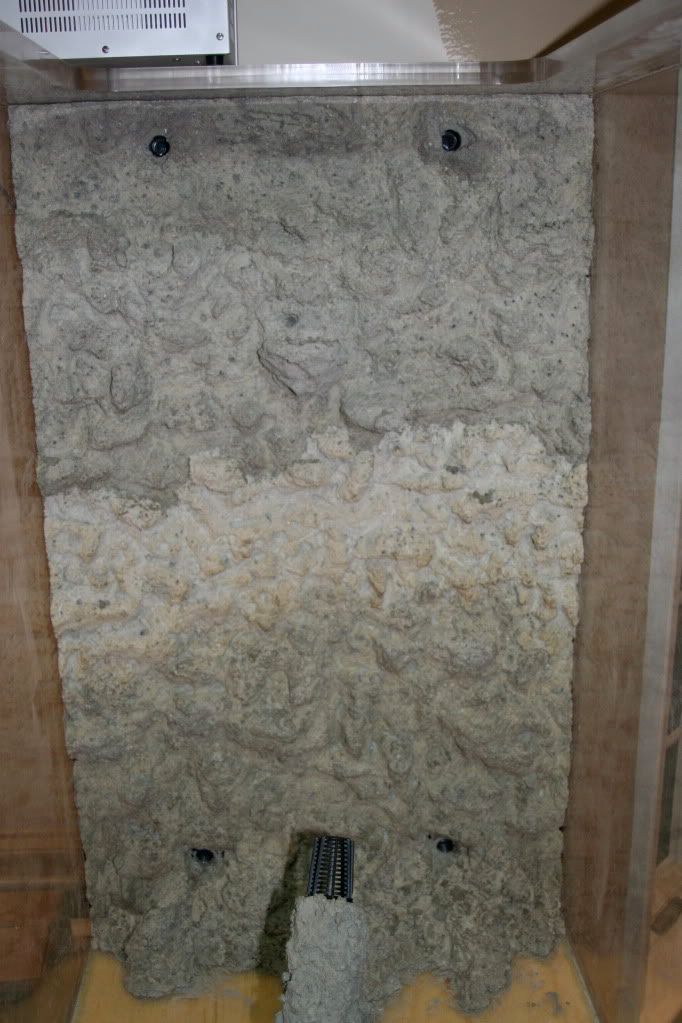 My needs were unique with this tank because it is 4' deep/high and as such there is a greater need for moving water to the surface air/water interface for oxygenation. You learn with every tank. It's one of the rewards of the hobby.
|








 Hybrid Mode

